
Communication is the lifeline of every successful organization in today’s fiercely competitive and rapidly evolving business world. Businesses are always seeking cutting-edge, affordable, and scalable methods to effectively and efficiently engage with their target market. By enabling businesses to send personalized voice messages to thousands of recipients with just a few clicks, voice broadcasting software has revolutionized business communication. It does away with the need for human dialing, which frees up time and lowers operational expenses, all while guaranteeing the continuous delivery of essential information.
This potent technology has a variety of uses, such as sending out emergency alerts, running marketing and advertising campaigns, promoting products, sending out service notifications, conducting customer surveys, and conducting political campaigns. Businesses can prerecord messages or employ dynamic text-to-speech to generate individualized communication at scale. In addition to increasing the effectiveness of their outreach, they also foster deeper customer loyalty and trust.
Voice broadcasting software automates the entire process, unlike conventional marketing methods that need human work and have scalability restrictions. It has real-time control and insights into campaign performance thanks to its integration with scheduling, CRM, analytics tools, and auto-dialing. As a consequence, marketing decisions are made more wisely and informed by data, which increases return on investment. Voice broadcasting has become a favorite option for companies in all sectors because of its adaptability, cloud-based availability, and multilingual capabilities, allowing them to easily connect, communicate, and convert.
What is Voice Broadcasting Software?
With voice broadcasting software, companies may send prerecorded or dynamically produced voice messages to a large audience at once through an automated communication system. It automates the whole outreach process, guaranteeing that messages are sent to consumers quickly and regularly, thereby eliminating the need for manual phone conversations.
This technology is used extensively in emergency warning systems, event advertising, customer updates, marketing, and political campaigns. Voice broadcasting combines text-to-speech, interactive voice response (IVR), and auto-dialing to facilitate a two-way conversation in which the receiver may answer or take particular actions throughout the call.
ICTBroadcast and other modern cloud-based voice broadcasting systems provide web-based dashboards that allow users to upload contact lists, create campaigns, and monitor results in real time. This not only improves control but also guarantees optimal deliverability and engagement. Scalability, adaptability, and cost-effectiveness are all advantages of scalability for businesses, making it a crucial component of contemporary telemarketing and customer communication tactics.
How Voice Broadcasting Software Works
Using cutting-edge telephony and cloud-based infrastructure, voice broadcasting software automates outbound calling by reaching thousands of individuals at once. The procedure starts with the user uploading contact lists, generating text-to-speech or pre-recorded messages, and setting up campaign parameters like time, caller ID, and call retry criteria.
The system then makes calls automatically, either in sequence or in parallel, to make sure that the available lines are used as efficiently as possible. The pre-recorded message will begin to play as soon as the live receiver responds, or the system will connect the call to a live agent if necessary. The message can be automatically left for later listening if the phone rings to voicemail.
By integrating auto-dialers, IVR menus, and real-time analytics, ICTBroadcast and similar platforms enhance this process, enabling users to communicate with customers intelligently and monitor outcomes in real time. Voice broadcasting is among the most effective tools for large-scale communication and marketing campaigns due to its mix of data-driven control, cloud technology, and automation.
Key Features of Voice Broadcasting Software
Automatic Call Distribution
By instantly sending out calls to thousands of receivers, voice broadcasting software aims to facilitate mass communication. By automating this process, we reduce the amount of work that agents have to do, eliminate mistakes made during manual dialing, and guarantee that each receiver receives the intended message right away. Companies may send out marketing deals, payment reminders, or public warnings right away, ensuring consistency in their messaging. The system employs smart call handling that distinguishes between voicemail messages, busy signals, and answered calls, resulting in maximum delivery rates. Regardless of whether it’s a small business campaign or a huge company broadcast, automation guarantees perfect message delivery with little human interaction.
Interactive Voice Response (IVR)
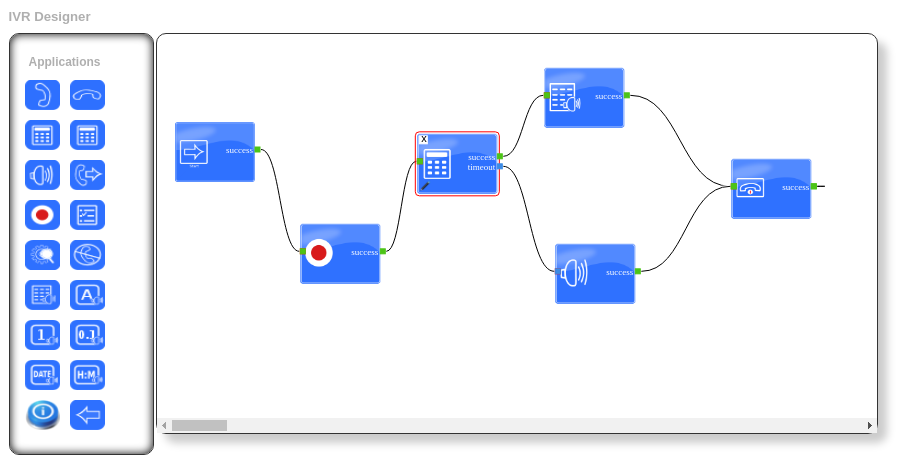
Traditional voice broadcasting is transformed into an interactive engagement tool through the integration of an Interactive Voice Response system. Recipients can use voice commands or keypad selections to respond via IVR, allowing businesses to gather insightful feedback, carry out surveys, or instantly connect potential prospects with live agents. Not only does this two-way communication model increase interaction, but it also aids businesses in comprehending consumer behavior. IVR ensures quick routing and response collecting for lead generation or customer service initiatives, eliminating the need for more personnel. It’s a smart function that combines automation and customization to provide worthwhile client interactions.
Pre-recorded Messages and Text-to-Speech
Voice broadcasting platforms provide flexibility with dual message choices: pre-recorded voice files or text-to-speech (TTS) conversion. Users may type out scripts that are immediately translated into speech that sounds natural and clear, or they can record professional human voices for legitimacy. Time is saved by this flexibility, especially for companies that have dynamic alerts or run several campaigns. The application allows for customization based on brand identity or regional preferences by supporting a variety of voices, tones, and accents. TTS enables the transmission of even minor updates or individualized messages without the need for new file recordings, which promotes efficiency and ongoing interaction across big contact lists.
Real-time Reporting and Analytics
Data is the cornerstone of effective marketing in the digital era. Voice broadcasting software offers complete dashboards that display real-time campaign performance data, such as call connection status, duration, drop rates, and response ratios. These analyses enable firms to comprehend the efficacy of campaigns and the patterns of consumer behavior. Managers can immediately spot flaws, change messaging, or change the timing for improved results. The collected data eventually provides a more profound understanding of audience interaction, which enables more informed decision-making and quantifiable progress. The analytics module guarantees openness and performance monitoring for each campaign through visual graphs, reports, and exportable summaries.
Integration of Contact Lists and CRM
Integration with Customer Relationship Management (CRM) systems is necessary to provide personalization at scale. Voice broadcasting software directly synchronizes with CRM databases, giving access to organized customer profiles, contact histories, and segmented lists. Businesses can send messages that are targeted to certain groups of people based on their demographics, purchasing habits, or prior interactions. This keeps campaigns current, which lowers audience weariness and increases conversion rates. The voice broadcast list is automatically updated as customer data changes due to CRM integration, which also eliminates duplication and maintains accuracy across communication processes.
Regional and multilingual support
Multilingual assistance is essential for multinational organizations to communicate with diverse audiences effectively. Voice broadcasting systems provide localization choices, allowing users to produce messages in a variety of languages and accents. Regional customization guarantees cultural appropriateness, while text-to-speech technology produces realistic pronunciations. Businesses are able to be more inclusive and approachable to customers from all over the world because of this feature. In areas where linguistic barriers might otherwise reduce the effectiveness of outreach, providing multilingual voice broadcasts for healthcare, government, or emergency communication ensures clarity and trust.
Smart Campaign Management, Automation, and Scheduling
One of the main benefits of voice broadcasting software is the ability to automate and schedule campaigns. Based on the availability of the target audience or the regional time zone, users can specify call timing, frequency, and retry behavior. The need for human monitoring is lessened by automation technologies that take care of everything from message delivery to follow-ups. Intelligent scheduling ensures that calls are not made at inconvenient times, increasing client happiness and adherence. The automation module guarantees consistency, efficiency, and improved interaction with little human involvement for routine reminders, such as payment deadlines, appointment confirmations, or policy renewals.
Management of Opt-Outs, Privacy, and Compliance
Particularly in the case of big broadcasts, compliance is essential in telecommunications. Depending on the industry’s requirements, voice broadcasting software is built to adhere to significant laws like GDPR, TCPA, and HIPAA. To promote moral communication, the platform includes integrated Do-Not-Call (DNC) lists, automated opt-out methods, and client agreement verification. When recipients opt out, users may immediately monitor and delete numbers from live campaigns. This not only helps prevent legal repercussions but also improves brand reputation by treating consumers’ privacy and preferences with respect in all interactions.
Infrastructure for High Availability and Cloud Scalability
Scalable cloud-based architecture powers modern voice broadcasting, giving firms the freedom to grow capacity on demand without being constrained by hardware. The system dynamically adjusts to provide consistent performance regardless of whether it is broadcasting to hundreds or millions of users. Redundancy, load balancing, and disaster recovery are all features of cloud hosting that ensure uptime and reliability. Additionally, the capacity to manage campaigns remotely from anywhere enables distributed teams to work together flawlessly. Due to this scalability, businesses of any size, from telecom behemoths to startups, may run massive outreach initiatives effectively and safely.
Cost-effectiveness, adaptability, and worldwide reach
The cost-effectiveness of cloud-based voice broadcasting is one of its most alluring benefits. Businesses may save money on hardware, maintenance, and personnel by substituting VoIP-based delivery for traditional infrastructure. The pay-as-you-go pricing model ensures that users only pay for the calls they make, allowing for flexible budgeting for campaigns of any size. Furthermore, its global reach allows for immediate communication with audiences in other countries without incurring exorbitant long-distance fees. This combination of affordability, scalability, and efficiency makes voice broadcasting one of the most potent resources available to contemporary companies.
Challenges of Voice Broadcasting Software
Laws and regulations about compliance: Stringent privacy and telecommunications regulations like the TCPA and GDPR govern voice broadcasting. Prior to sending out messages, companies must get the permission of their customers, or they risk suffering significant financial penalties and reputational harm. It can be challenging to maintain compliance across different areas, and ongoing policy monitoring is necessary.
Problems with Call Delivery and Answer Detection: Call delivery accuracy can still be impacted by blocked numbers, voicemail detection problems, or network congestion, even with all the technological improvements. It is still a technical problem that necessitates accurate setup and testing to make sure that messages get to actual recipients and not answering machines.
Restrictions on Personalizing Messages: It might be challenging to deliver complete personalization to every receiver, even if the system supports mass broadcasting. Messages that are monotonous or robotic in tone might lessen audience participation. Effective script writing and voice optimization are necessary to strike a balance between automation and human contact.
Network Latency and Reliability: Strong VoIP and internet connections are necessary for voice broadcasting. Call drops, delays, or poor audio quality might result from any network disruption, latency, or server congestion. Maintaining high performance requires continuous technical oversight and a dependable hosting infrastructure.
Consumer weariness and unfavorable perception: Excessive use of automated voice campaigns might cause clients to get annoyed or believe that they are spam. To prevent message tiredness, firms must pay close attention to the timing and frequency of their campaigns. Maintaining audience trust depends on providing valuable and relevant information.
Overcome Challenges of Voice Broadcasting Software
Establish rigid compliance management: Companies can get around legal obstacles by using consent-based marketing and regularly updating their Do-Not-Call (DNC) lists. Using software with integrated compliance automation and routinely monitoring local telecom rules helps to ensure that communication practices are ethical and legal.
Utilize sophisticated call detection and filtering: Live calls, voicemails, and busy signals are all identified by modern broadcasting systems using intelligent call detection. Making sure these parameters are set correctly will result in higher delivery rates and less resource waste. Frequent testing enhances the message’s accuracy and reach.
Use dynamic content to tailor campaigns: By combining text-to-speech technology with CRM data, businesses may introduce tailored names, offers, or replies to increase audience interaction. This results in a more interactive, human-like, and customized experience as opposed to a monotonous or robotic one.
Keep a Dependable Network Infrastructure: The platform’s availability and consistent performance are guaranteed by its hosting on safe, redundant cloud servers. Monitoring bandwidth and collaborating with reputable VoIP companies helps to avoid call drops and ensures that audio is transmitted at a high quality during campaigns.
Maximize Campaign Timing and Frequency: Strategic message scheduling, taking into account client time zones, behavior, and preferences, helps avoid overexposure and message exhaustion. Maintaining audience engagement and trust is aided by limiting broadcast frequency while concentrating on pertinent, value-driven material.
Pros and Cons of Voice Broadcasting Software
Pros
Cost-Effective: Lowers costs associated with infrastructure, labor, and long-distance phone calls.
Real-Time Analytics: Instantaneous insights result in better campaign modifications and a greater return on investment.
Cons
Possibility of Annoying Customers: Messages may be seen as spam if used excessively.
Restricted Customization: If not properly customized, automated messages might come across as impersonal.
Compliance Risks: Fines may result from failing to abide by rules like the TCPA and GDPR.
FAQs
What kind of program is voice broadcasting software?
An automated system that can deliver prerecorded or text-to-speech messages to thousands of recipients at once.
What qualities of voice broadcasting make it a successful marketing strategy?
Scheduling, automation, real-time analytics, multi-language support, CRM integration, and IVR.
Why should companies employ automated voice messaging over making manual calls?
Conserves time, cuts operating expenses, guarantees uniformity, and increases the effectiveness of outreach.
When is the optimal moment to organize voice broadcast campaigns?
Avoiding inappropriate hours and respecting time zones when the target audience is available.
What kinds of communications may be transmitted via voice broadcasting?
Alerts, reminders, promotions, notifications, surveys, emergency messages, and political campaigns.